Product Overview
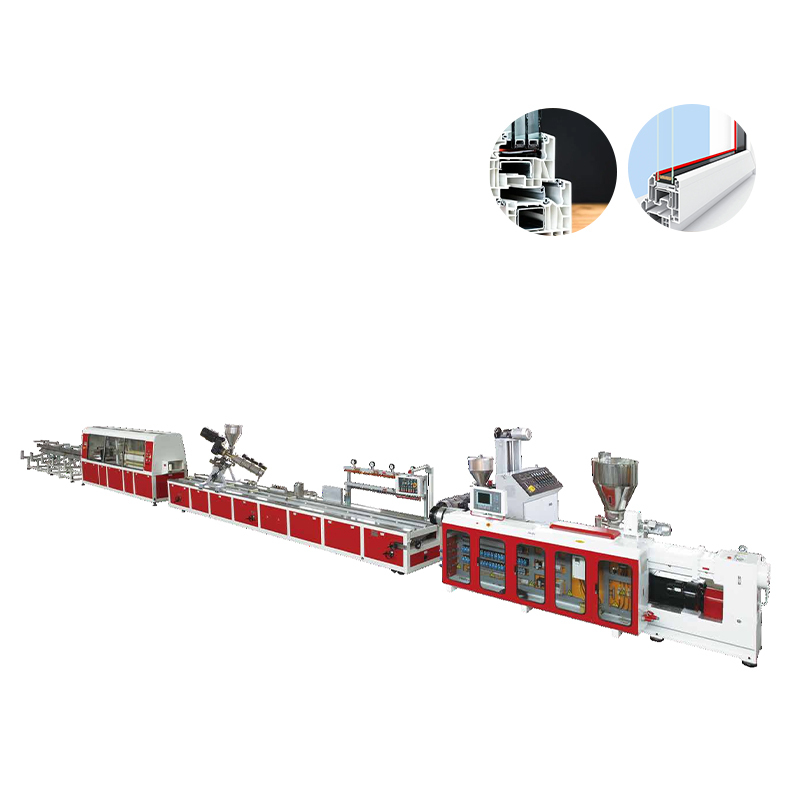
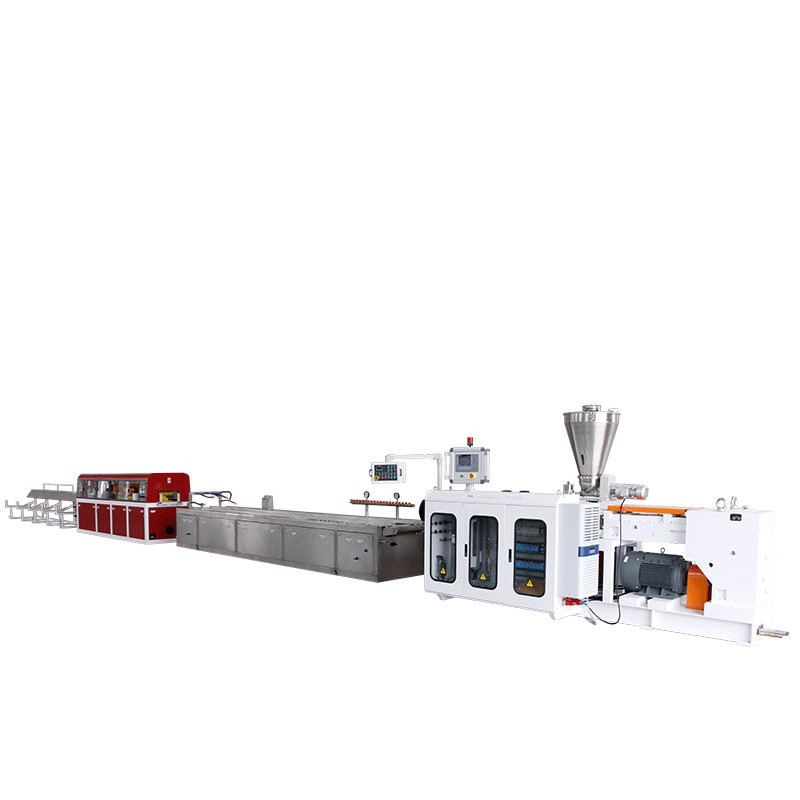
JWELL builds this high-speed PVC window profile extrusion line for plants that turn rigid PVC compound into window and door sections, and it arrives as one coordinated production unit rather than a set of separately sourced machines. Compound goes in at one end; calibrated, cut and stacked lengths come out at the other, with a film covering station in between whenever a profile needs a protected or decorated face. Extruder, vacuum calibration table, haul-off, cutter, film covering machine and stacker are matched to each other before the line leaves the works, so the first production run is a commissioning exercise rather than a rebuild. That is what lets a window fabricator bring profile extrusion in house, and what lets an established profile maker add a foam or decorative range without putting up a second building. Each PVC window profile extrusion machine in the range pairs a twin-screw extruder with the same control approach: line speed and barrel temperatures are set the same way on every build, so moving from one to another changes nothing in how the line is run. We are one of the PVC extrusion machine manufacturers that supply the whole line rather than a bare extruder, which is why the calibration, haul-off and cutting units arrive already matched to the machine they sit behind.
Line Configuration
- Twin-screw extruder — the plasticizing unit at the head of the line. The screw geometry in this PVC profile extrusion machine delivers uniform plasticization at a low shear rate, which is what keeps wall thickness and metre weight steady instead of drifting through the shift.
- Vacuum calibration table — sets the final outside dimensions and the surface of the section. The vacuum pump set and the table itself are built from high-quality components and stay straightforward to service when a seal or a filter needs attention.
- Haul-off unit — pulls the calibrated profile at a speed synchronized with the extruder, so the section is neither stretched thin nor allowed to sag before it cools.
- Cutter — cuts on the run to the length your welding or packing station expects, without stopping the line.
- Film covering machine — applies protective film in line, so profiles reach welding and glazing without handling marks and a decorated face keeps its finish in transit.
- Stacker — collects cut lengths at the discharge end, which is what allows one operator to run the back of the line instead of two people lifting.
- Drive and temperature package — the line speed drive and the barrel-zone temperature instruments are matched to this extruder, so a proven recipe can be recalled rather than re-learned.
- Modular assemblies — the screw barrel and mould can be changed over, which is how a JWELL extrusion machine on this platform moves between solid and foam work; wear parts are reachable without dismantling the line.
- Uniform plasticization — melt temperature and shear history stay consistent along the screw, so wall thickness and metre weight hold their tolerance through a shift instead of drifting as the barrel settles in. - Low shear rate — rigid PVC is heat-sensitive, and running it gently leaves headroom when a compound sits near the edge of its processing window, whether that comes from filler level or from a high regrind ratio. - High output from a compact frame — the twin-screw configuration plasticizes a large volume of compound for the machine's size, which is what lets one plastic window extrusion machine carry a multi-shift window programme. - A long duty cycle — screw, barrel and drive train are built for continuous running, and the imported drive and control components are what make the working life predictable rather than a matter of luck. - Repeatable settings — once a recipe is proven on this PVC window profile extrusion machine, a changeover is a matter of recalling the temperature profile and line speed rather than re-learning the machine. - One line, two profile families — the machine runs solid sections and, after a screw barrel and mould change, foam sections, so a plant can quote both without buying twice. - Less rework downstream — sections that hold their dimensions weld, clean and glaze without the fit-up adjustments that eat into a fabricator's day.
- What changes for a foam run — a different screw barrel set and a different mould; the extruder frame, calibration table, haul-off, cutter and stacker stay as they are. - Why the twin-screw result is better — foam extruded on this platform comes out ahead of a single-screw conversion, because the plastic profile extrusion machine mixes the melt more evenly and cell structure, density and surface stay consistent along the run. - Material and weight — a foamed section uses less compound per metre, which cuts cost per frame and lightens the sash at the same time. - Dies and calibrators — a foam section needs its own die and calibrator; send the drawings if you already own them and we will confirm the interface against the line. - Formulation is the other half — foaming agent and compound have to be tuned together, so plan a trial on your own dry blend before the recipe is fixed for production. - Shorter changeovers — plants that alternate between solid and foam work usually keep a second screw barrel set on the shelf so the change is a swap rather than a rebuild. - Decide at order stage — tell us during configuration that foam is planned, so the uPVC profile extrusion machine and its downstream settings are specified around both product families from the start.
Process Flow And Material Recovery
- Weigh out PVC resin, calcium carbonate and the additive package, then dry-blend them in the mixer until the compound is uniform.
- Feed the dry blend to the hopper of the PVC profile extrusion machine, where the twin screw plasticizes it and pushes the melt through the die.
- Calibrate and cool the section on the vacuum table — this is where the outside dimensions and the surface are set.
- Apply protective film at the film covering station when the profile needs a protected or decorated face.
- Haul off at a speed matched to the extrusion rate, cut to length and stack the finished lengths.
- Crush rejects, start-up lumps and cut-off ends, mill them to a flour and feed that back into the mixer at a ratio you set deliberately — regrind level affects colour and strength, so keep it under control rather than letting it creep up.
- Check the finished section against the drawing — outside dimensions, wall thickness, metre weight and surface — before the run is released to the packing line.
Build Selection
Selection starts with the section drawing, not with the price. The measurement that decides whether a build fits is the widest point of the finished cross-section — taken across the outside of the profile as it leaves the calibration table, including any leg, lip or co-extruded detail that projects beyond the main chamber. All three builds of this PVC profile extrusion machine share the same maximum working width, so a section that fits one fits all; what changes between them is how much compound the extruder can plasticize in an hour.
Frame series versus section width. Window systems are usually described by frame depth — 60, 70 and 80 mm frame depths are the common families in the market — but depth alone does not choose a build on a uPVC profile extrusion machine. A deep section with a narrow face can sit comfortably on the entry build, while a wide sliding-sash section with a modest depth may need the larger extruder simply because of the metre weight it carries. Send the section drawing and we will match it to a build instead of leaving you to guess from the series name.
Output against the shift target. Quoted output is extruder output under standard conditions. Realized shift output on a plastic window extrusion machine depends on the metre weight of the section, on the compound — filler level and stabilizer package change how the screw runs — and on how much of the shift goes to changeovers. Tell us the kilos per shift you need and the section it comes from, and we will match that to a build with margin, or say plainly that the section belongs on a larger machine.
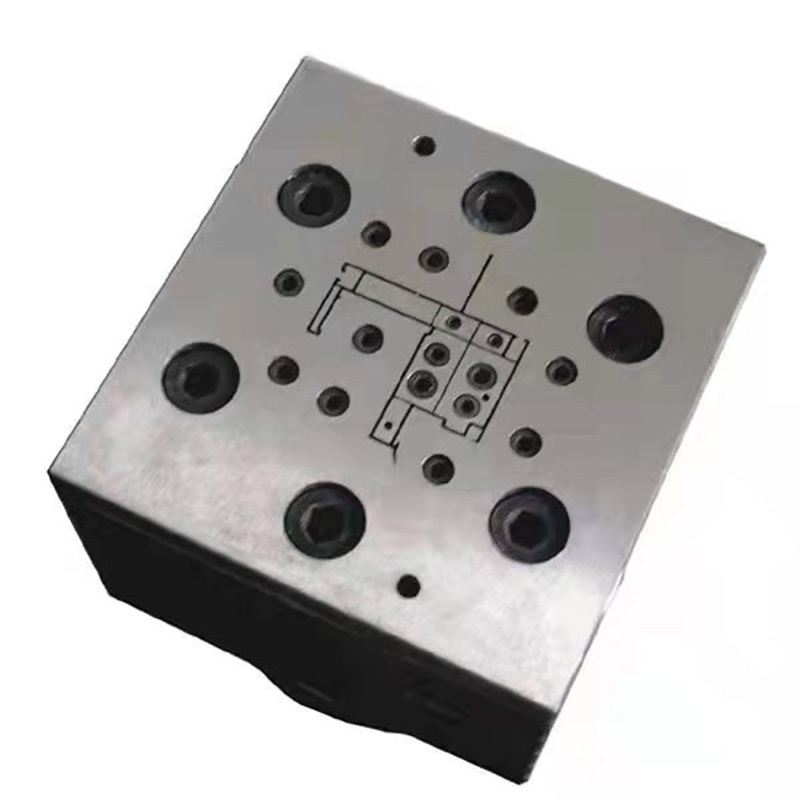
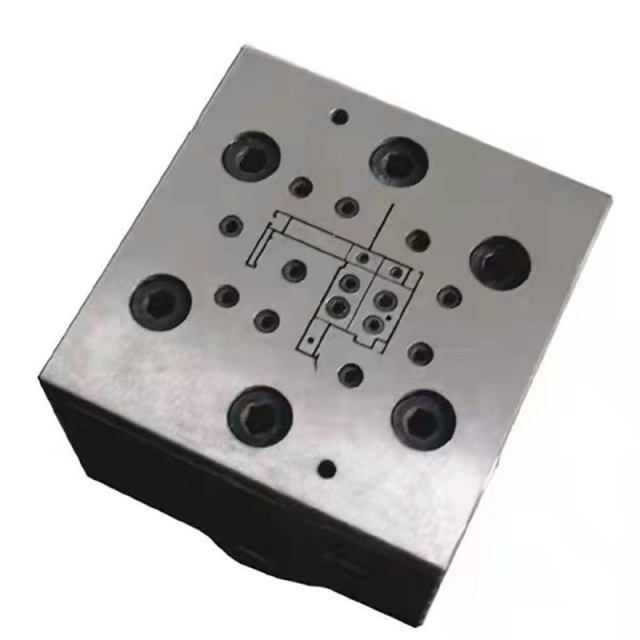
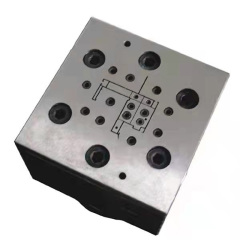
Tooling and spares. Each build is listed with its extruder designation and its screw and barrel designation, so a spare can be quoted from either number on the machine plate. If you supply your own die and calibrator, we need the interface drawing, the bolt pattern on the die head and the calibrator length before the order is fixed; centre height is common to all three builds, which keeps a die interchangeable between them.
Plant conditions. Cooling water and compressed air demand rise as you move up the range. Check the plant can hold the figures for your build with some margin, particularly if the line shares a chiller or a compressor with other equipment.
Use Scenarios
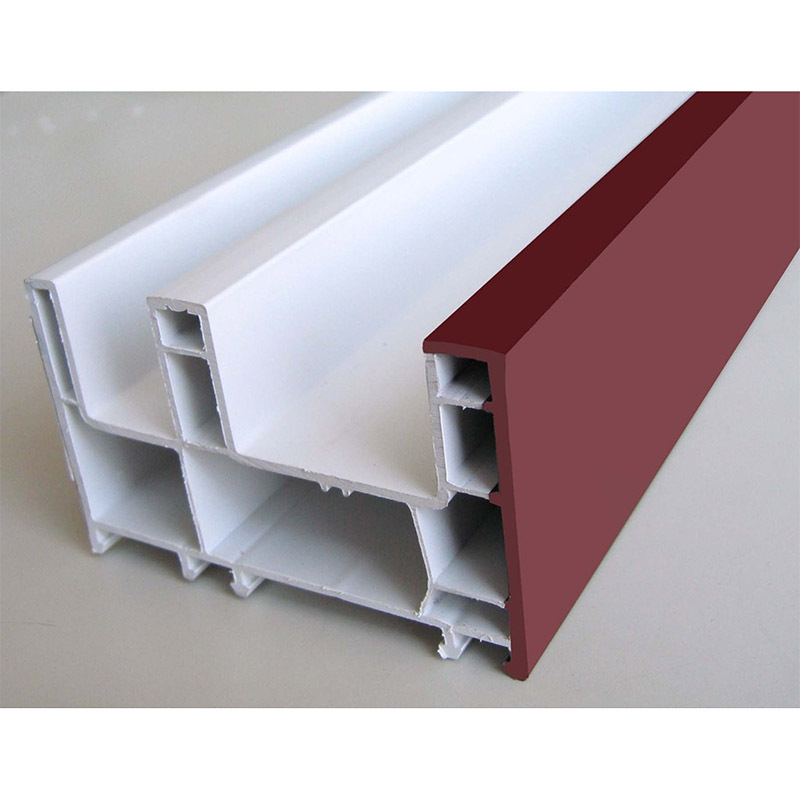
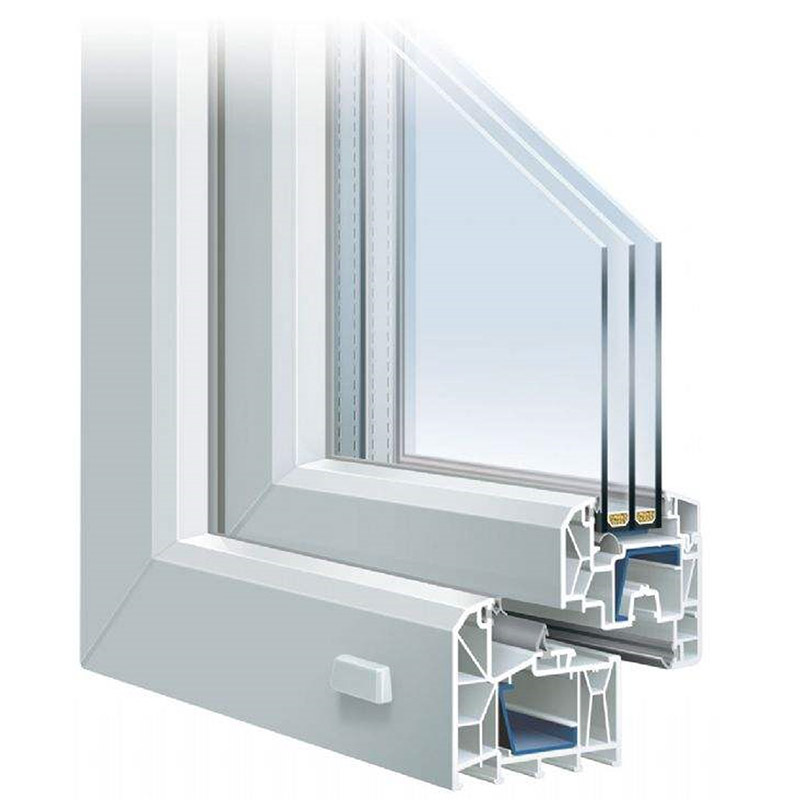
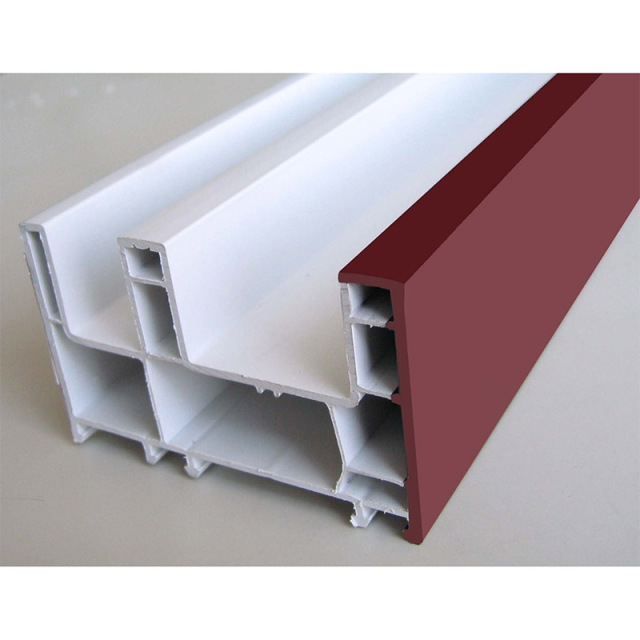
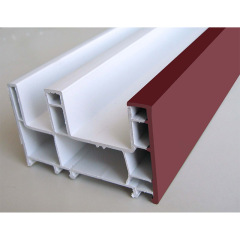
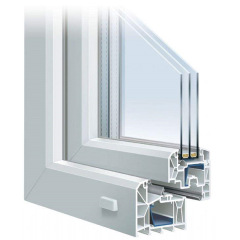
Window and door profile production. In a window plant the line is the first station of the whole process: multi-chamber frame and sash sections leave the calibration table, are cut to length and go on to welding, cleaning and glazing. What it has to deliver here is sections that weld and fit without rework, which is why dimensional stability and surface quality count for more than a peak output figure on paper.
Micro-foam sections for thermally rated windows. Window makers bidding on energy-rated programmes add micro-foam sections to the range so the finished window reaches its thermal target without a heavier, more expensive frame. The plastic window extrusion machine runs these alongside solid profiles, so one order book can carry both a standard and an insulated window system.
Sheet and decorative profiles. With a sheet die and the matching downstream settings, the line also produces flat PVC sheet and micro-foam decorative sheet for interior panels and trim. A plant supplying both window profiles and interior finishes keeps one plastic profile extrusion machine and one crew rather than two.
Pilot runs and new section development. Tooling and process teams use this high-speed PVC window profile extrusion line to prove a new geometry or a foam formulation before committing a full production programme to it. Parameters can be adjusted while running, so a trial produces a real cross-section to measure instead of a prediction.
Capacity expansion. Profile makers whose order book has outgrown one machine usually add a build alongside the existing line rather than replacing it, and because the control approach is the same across the range, operators move across without starting from scratch.
Specifications
| Model | YF240 | YF240 | YF240A |
|---|
| Max. width (mm) | 240 | 240 | 240 |
| Extruder model | SJP75/28 | SJP93/28/31 | SJP110/28 |
| Max. capacity (kg/h) | 150-250 | 250-400 | 400-500 |
| Extruder power (kW) | 37 | 55 | 75 |
| Cooling water (m3/h) | 7 | 8 | 10 |
| Compressed air (m3/min) | 0.6 | 0.6 | 0.8 |
| Screw and barrel model | SJZ55/110 | SJZ65/132 | SJZ80/156 |
| Screw speed (rpm) | 34.7 | 34.7 | 34.7 |
| Motor power (kW) | 22 | 37 | 55 |
| Output (kg/h) | 100/150 | 180/250 | 300/400 |
| Centre height (mm) | 1050 | 1050 | 1050 |
| Weight (kg) | 3500 | 4000 | 5500 |
Ordering And Confirmation
- Section drawing and shift target — send the profile drawing, the wall thicknesses, the compound and filler level, and the kilos you need per shift, and we can propose a build and a scope from that. - A scope you can compare — the proposal lists the extruder, calibration table, haul-off, cutter, film covering machine and stacker, with optional items separated, so a quote from other extrusion machine manufacturers can be checked against it point by point. - Utilities and floor space — check cooling water, compressed air, power and available length against the figures for your build of this PVC extrusion machine, with margin for shared services. - Commercial terms — scope of supply, packing, shipping terms, lead time and payment schedule are quoted per configuration; ask your sales contact for the final version in writing. - Compliance documents — we work to ISO, CE, UL and TUV certification; confirm which certificates your market requires and they will be listed with the shipment. - Start-up planning — agree who erects and commissions, how many operators are trained and which spares should be on the shelf before the first production run; support scope for a JWELL extrusion machine is agreed up front rather than after delivery.
Technical Support & Model Matching
Getting the configuration right starts well before the purchase order. Our engineers review your product drawing, the material you run and the output you need, then match the extruder, downstream units and control package to that brief — and say plainly when a standard build will not suit. Jwell has built extrusion equipment since 1997, with 500+ engineers, eight production bases and a service network reaching more than 120 countries. Installation and commissioning guidance, operator training, troubleshooting and spare-part supply continue long after the line is running.
FAQ
What does the complete line include?
A twin-screw extruder, vacuum calibration table with its vacuum pump set, haul-off unit, cutter, film covering machine and stacker, matched as one PVC profile extrusion machine line. Calibration, pulling and cutting speeds are set against the same reference, so the line behaves as one unit from the first run. Optional items are listed separately in the proposal so the scope stays clear.
Can it run foam PVC profiles as well as solid ones?
Yes. Change the screw barrel and the mould, and the same PVC window profile extrusion machine extrudes foam sections directly, keeping the uniform plasticization and output of the twin-screw platform. Foam on this design performs better than a single-screw conversion, so lightweight, energy-efficient sections come off with their surface intact.
How are line speed and barrel temperatures controlled?
Line speed is set through imported AC frequency conversion or DC speed regulation, and the barrel zones use temperature instruments from imported brands. A proven temperature profile and line speed can be held through a shift and recalled for the next run of the same section, which is where a lot of the consistency in this PVC extrusion machine comes from.
What profile width can the line handle?
All three builds of this uPVC profile extrusion machine calibrate profiles up to 240 mm across the widest point of the section. Measure the finished cross-section including any projecting leg or lip, not just the nominal frame depth, and check it against that figure before you settle on a build.
Can the line be adapted to our own sections, and do you train our operators?
Yes on both counts. We adjust profile geometries and process parameters to suit the sections you actually sell, and operator training covers the integrated control system plus the finishing equipment at the back of the line, so your crew can run and maintain a JWELL extrusion machine without leaning on us for every setting.
Can it also produce PVC sheet and micro-foam decorative sheet?
It can, with a sheet die and the matching downstream settings. Flat PVC sheet and micro-foam decorative sheet run on the same plastic profile extrusion machine used for window profiles, which is what makes it practical for a plant supplying both exterior window systems and interior finishes.