Product Overview
What the line does
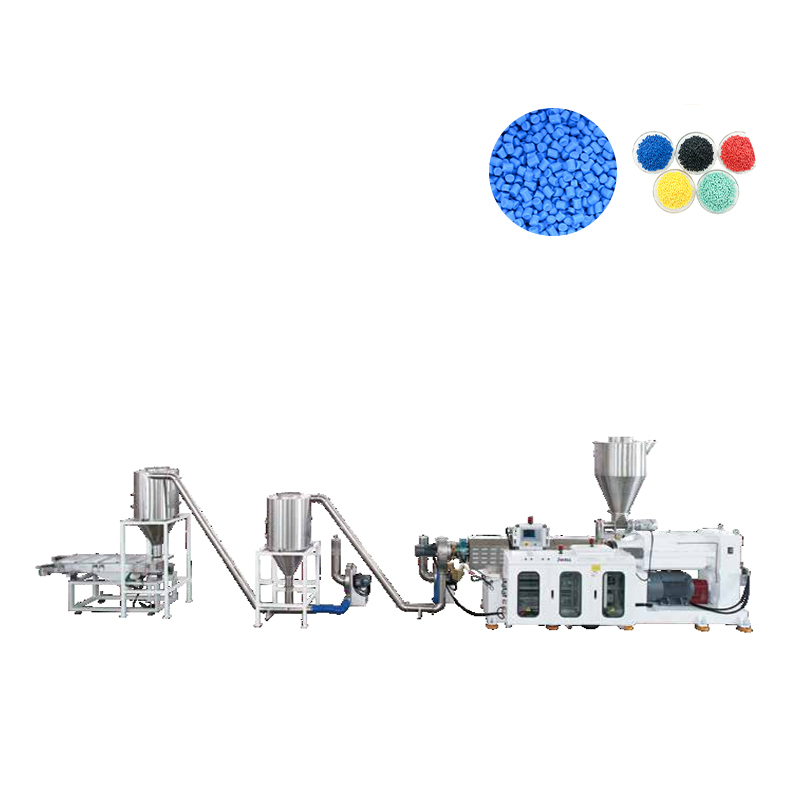
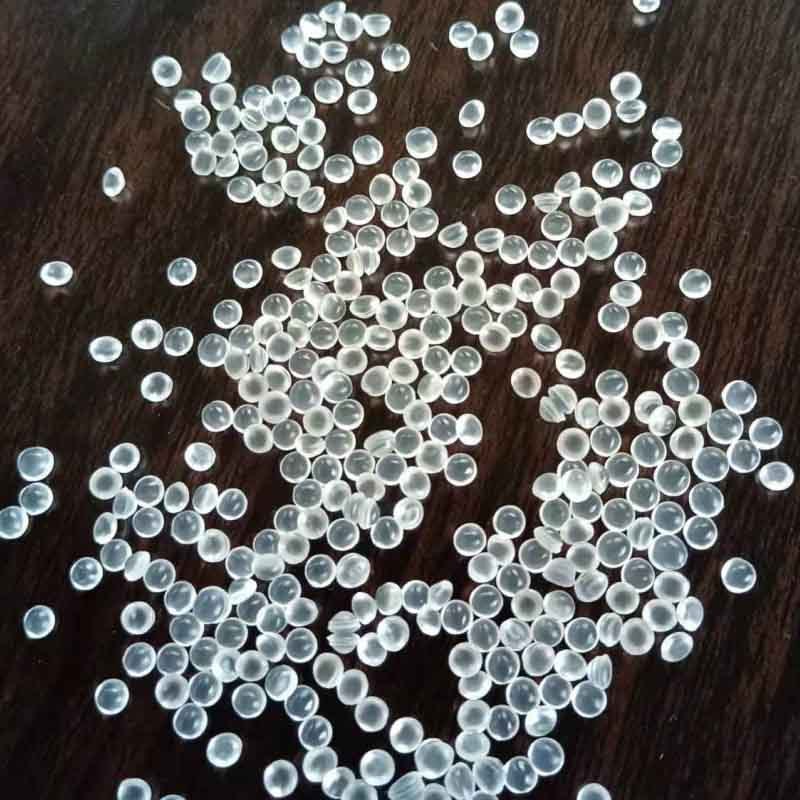
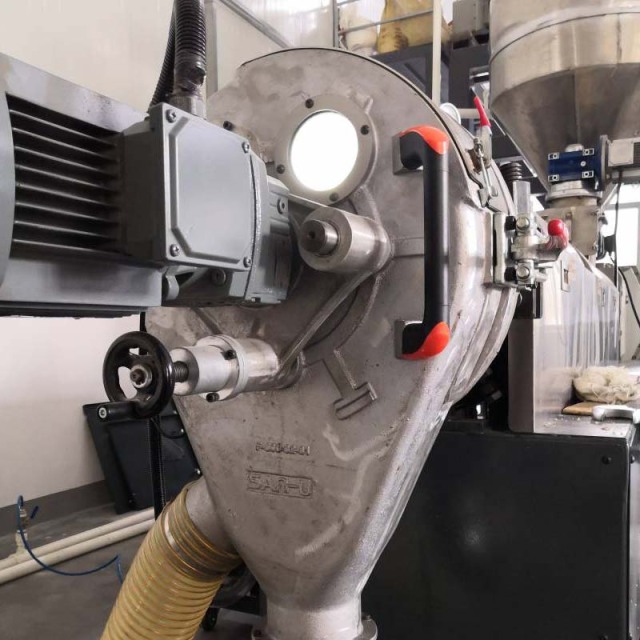
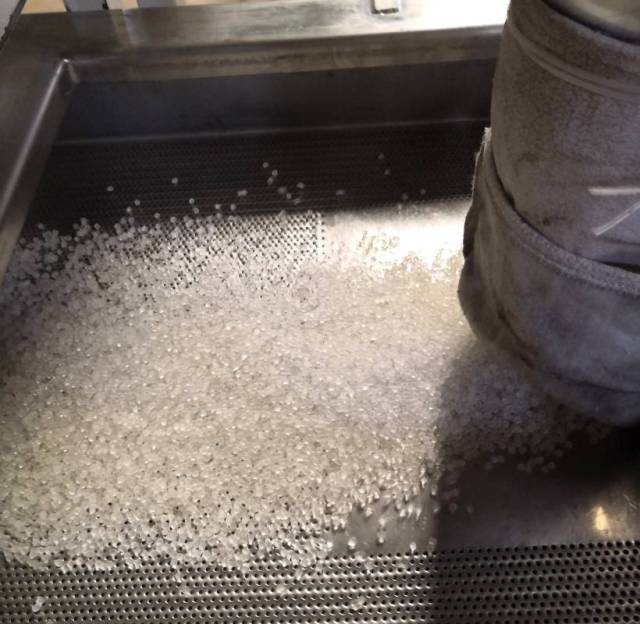
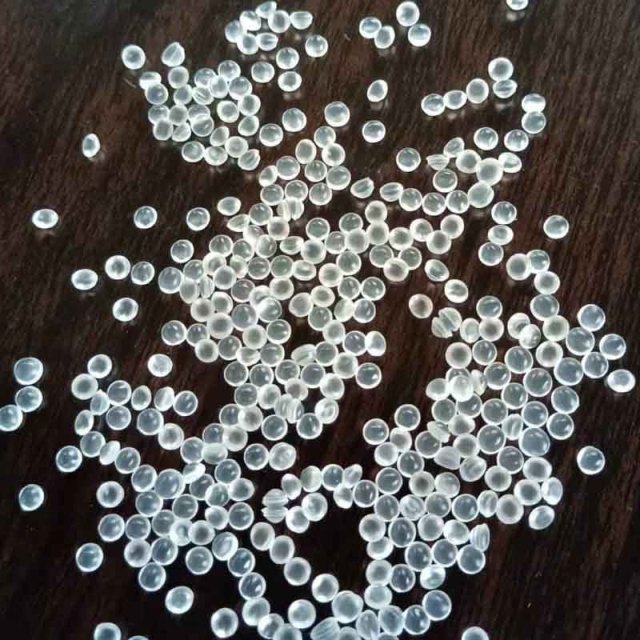
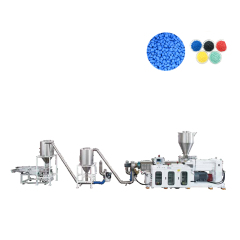
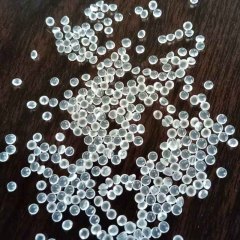
The PVC pelletizing extrusion line converts compounded PVC into uniform, free-flowing pellets. Compound arrives from the mixing stage - resin, calcium carbonate filler, plasticiser and additives already combined - and leaves as pellets that carry the same density, colour and formulation into the next extrusion or injection process.
Where it sits in a plant
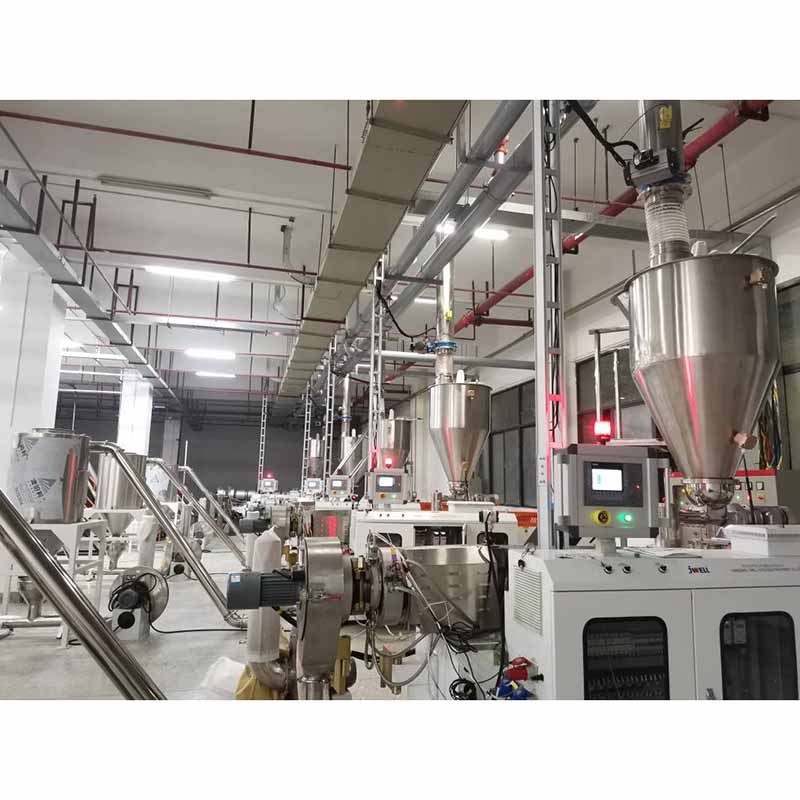
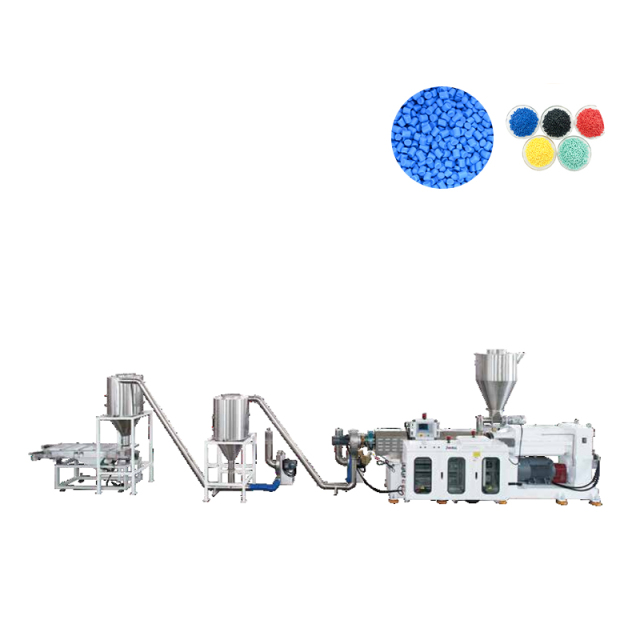
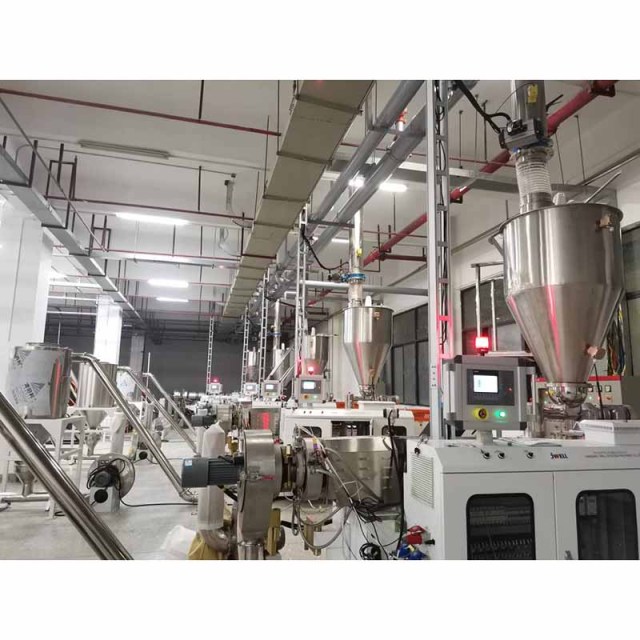
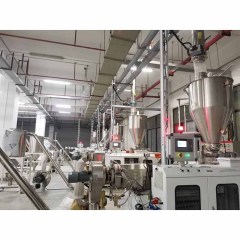
Run it as a standalone pelletizing cell supplying several downstream machines, fit it into an existing compounding route where the pellet itself is what you sell on, or set it up as a waste plastic recycling pelletizing machine taking trim and off-spec parts back to pellet. Judging pvc extrusion machine manufacturers on this point matters more than it sounds: the extruder, pelletizer head, cooling section and controls have to be arranged around the floor space you actually have and connected to whatever runs upstream and downstream.
How the range is built
Two counter-rotating twin-screw builds cover the range - the SJP series with parallel screws and the SJZ series with conical screws - spanning the full capacity ladder. Both use the same in-house pelletizer head, the same parameter-based controls and the same frame construction, so the decision between them is made on compound and output rather than on build quality.
Why pellet quality decides the rest
A pellet that is not uniform shows up later: uneven wall thickness in a fitting, a clouded patch in a transparent tube, a soft spot in a foamed profile. Jwell designs and produces the screw and the original pelletizer head in-house, and that is usually where the difference between plastic extrusion machine manufacturers shows - in how evenly the compound plasticizes and how quickly the pellets set.
Process Flow: Compound to Pellet
- Prepare the compound. PVC resin, calcium carbonate filler, plasticiser, stabiliser and colour are weighed and mixed to a homogeneous blend before the line sees them. Bulk density and filler level are fixed here, not at the extruder.
- Feed the extruder. The blend is metered into the twin-screw at a steady rate; feed accuracy is what stops the formulation drifting from pellet to pellet.
- Plasticize. The screws convey, compress and melt the compound under controlled barrel temperatures, so it reaches the die fully melted and at an even temperature.
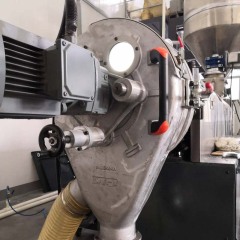
- Cut at the pelletizer head. The melt passes the die and is cut into pellets at the head, while the strand is still hot enough for a clean, even cut.
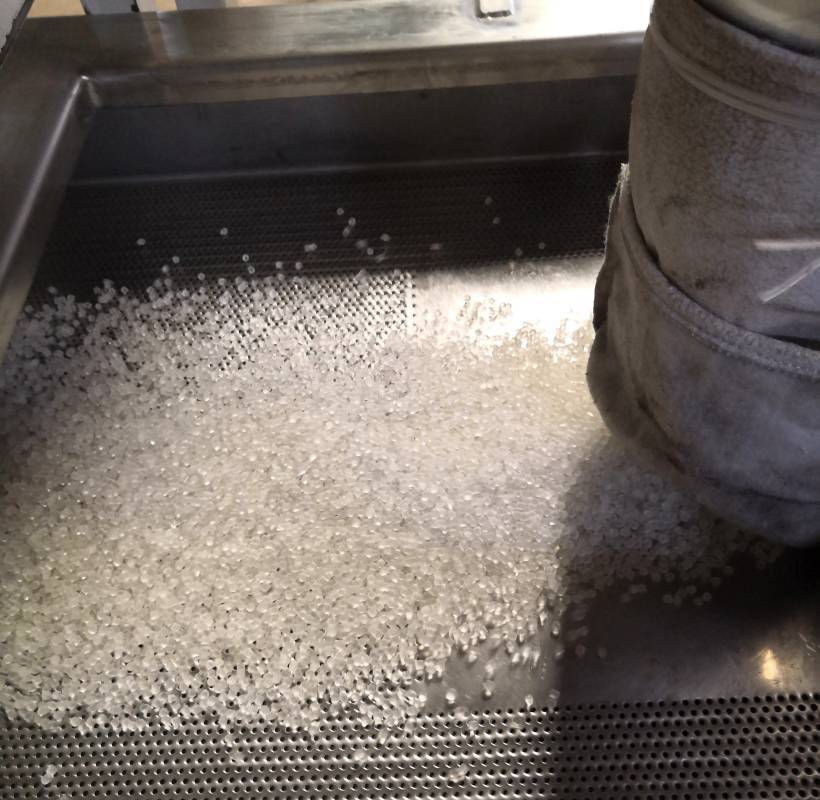
- Cool immediately. Pellets are cooled straight after cutting, which locks their shape and stops them sticking together in the bin.
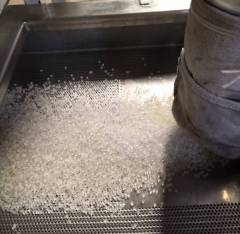
- Discharge and collect. Cooled pellets leave the plastic extrusion machine into a bin, big bag or conveying system, ready for packing or for feeding the next process directly.
Model Range & Output
| Screw type | Model | Screw size (mm) | Motor power (kW) | Output (kg/h) |
| Parallel | SJP93 | 95/22 | 55 | 300-400 |
| Parallel | SJP120 | 120/26 | 110 | 500-600 |
| Parallel | SJP135 | 135/31 | 160 | 800-1200 |
| Conical | SJZ65 | 65/132 | 37 | 200-300 |
| Conical | SJZ80 | 80/156 | 55 | 300-500 |
| Conical | SJZ92 | 92/188 | 110 | 600-800 |
| Conical | SJZ110 | 110/220 | 160 | 800-1200 |
Screw Configuration & Compound Match
Parallel or conical
The SJP series runs two parallel screws of equal diameter; the SJZ series runs two conical screws tapering from the feed zone to the metering zone. Parallel screws carry more free volume along the barrel, which suits higher hourly output on a given screw diameter and long, uninterrupted runs on a single compound. Conical screws are built for high torque at low screw speed - the usual choice when the compound is stiff and heavily filled, and you would rather not over-shear it just to move it.
Why counter-rotation
Both builds turn the screws against each other. Counter-rotation conveys the compound positively with very little pulsation, so output stays flat hour after hour and the pellets coming off the head keep the same size instead of drifting.
Matching the screw to the compound
Rigid and soft PVC behave differently in the barrel: rigid compounds are stiffer at the die and ask for torque, while soft compounds with high plasticiser content are more sensitive to overheating. Filler level matters just as much - a heavily filled compound and a clear transparent tube compound will not run on the same screw geometry. A pvc extrusion machine that has to cover both families is therefore set up per compound: send the formulation, the filler loading, whether virgin compound or your own regrind goes in, and the pellet size the next process wants.
What we need before quoting a build
Compound formulation, bulk density, target output in kg/h and the machine the pellets will feed. pvc extrusion machine manufacturers quoting a PVC pelletizing line will usually price from a throughput figure alone; the configuration only gets close once the compound is on the table - which, on a plastic pelletizing recycling machine, means the scrap stream rather than a resin grade.
Applications & End Products
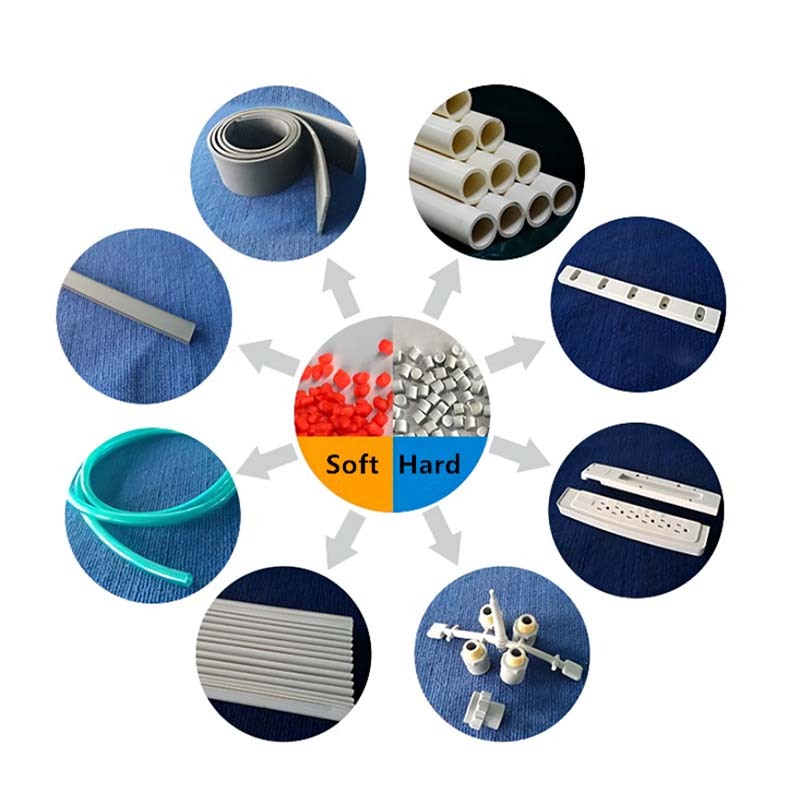
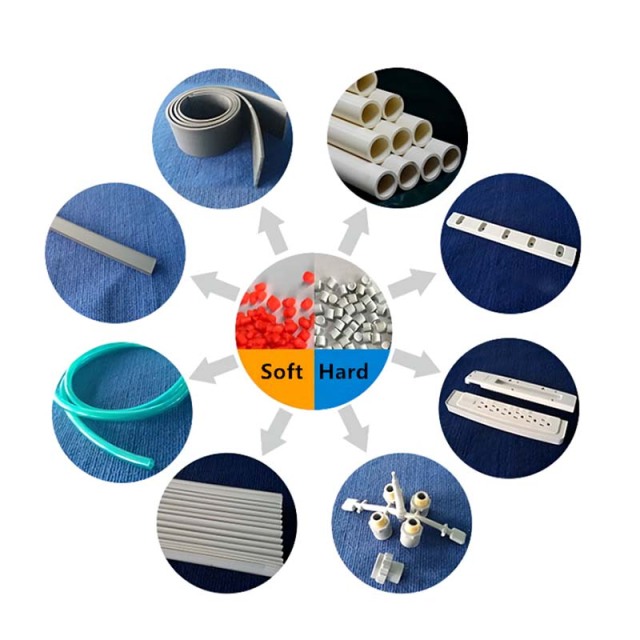
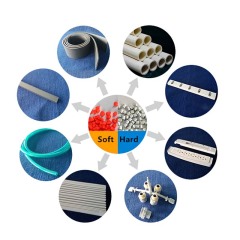
- Pipe fitting compound. Fittings are moulded or extruded from pellets, so pellet-to-pellet variation turns straight into wall-thickness variation. Uniform pellets with controlled dimensions and density cut cycle time and scrap in the fitting plant downstream; no plastic extrusion machine can average out pellets that arrived inconsistent.
- Foamed profile compound. The blowing agent has to be spread evenly through every pellet, otherwise foam density wanders along the profile. Stable plasticizing keeps the additive loading identical from batch to batch.
- Cold extrusion material. Compounds headed for cold extrusion need a consistent state, and running them through a screw that overheats part of the melt spoils that. Barrel temperature control matters more here than raw output.
- Transparent tube compound. Clarity punishes anything that has not melted fully. Uniform plasticizing leaves no unmelted specks to show up later as haze in the tube wall.
- Goggles and soft technical parts. These formulations depend on flexibility and surface finish surviving the pelletizing step; cooling the pellet at the head stops it degrading before it is packed.
- Medical hose compound. Soft PVC for medical hose has to keep its mechanical properties after re-pelletizing, and fine parameter control lets a hose producer hold a proven recipe and trace it batch to batch. Compliance of the finished device stays with the device maker, as it should.
- In-plant regrind and off-spec pellets. Where a plant re-pelletizes its own off-spec pellets, start-up lumps or edge trim, say so at the specification stage: a plastic pelletizing recycling machine running one known compound is set up differently from a line built around a single virgin formulation.
- Feed that changes from batch to batch. If the material going in is not one fixed compound, the screw and die have to tolerate that variation and the conversation at specification is a different one. A waste plastic recycling pelletizing machine handling mixed scrap is judged on output stability rather than on holding one formulation to a tolerance.
Key Specifications
- Stable, uniform plasticization. The screw is designed and produced in-house so melt temperature and shear stay even along the barrel and the compound reaches the die in a consistent state instead of in surges. That is what keeps pellet density from drifting between batches. - High output without over-working the melt. Optimized screw geometry moves more compound per revolution, so a given screw diameter returns a high hourly output while the melt stays inside a controlled temperature window. - An in-house pelletizer head with rapid cooling. Pellets are cut and cooled at the head rather than further downstream, so they hold their shape, stay free-flowing and do not fuse in the collection bin - the property every downstream plastic extrusion machine depends on. - Built to be integrated, not squeezed in. Modular sections, a robust frame and precision-machined components let the line drop into an existing production setup, and the same frame keeps alignment and clearances stable over long runs. - Rigid and soft PVC on one platform. Foamed profile, pipe fitting and cold extrusion compounds run on the same machine family as transparent tube, goggle and medical hose compounds; the screw, die and head settings change, the platform does not. That holds when the same line runs as a waste plastic recycling pelletizing machine on scrap feed. - Automation that repeats a proven recipe. Parameter setting at the controls shortens start-up, cuts manual intervention between batches and keeps operators away from the hot end of the line. - Capacity that follows your batch sizes. The range steps up in defined tiers, so you can move between batch sizes without changing machine or learning a different control layout. - More than 40 years of development work behind it. High quality, high capacity and high stability are the three things this line is judged on, and worldwide after-sales service stands behind them. That combination is what separates plastic extrusion machine suppliers who sell a line from those who stay with it through commissioning and the years after.
| Property | Value |
|---|
| Place of origin | China |
| Brand name | Jwell |
| Machine type | Counter-rotating twin-screw PVC pelletizing extrusion line |
| Screw arrangement | Counter-rotating twin-screw, parallel or conical |
| Plasticizing unit | Jwell-designed and produced counter twin-screw |
| Plasticizing behaviour | Balanced torque and temperature control for steady material flow |
| Pelletizer head | In-house design with rapid cooling at the head |
| Material range | Rigid PVC and soft PVC compound |
| Line layout | Standalone pelletizing unit, or integrated into an existing supply stage |
| Controls | Parameter-based settings that repeat from run to run |
| Frame | Robust frame with precision-machined components |
| Certification | ISO, CE, UL and TUV; confirm the scope your market requires |
Pellet Acceptance Checklist
- Agree the checklist before the run, not after. Decide in advance which properties get written down at acceptance - shape, size spread, density, moisture and a downstream trial - along with the sample size, the tolerance band and who signs. A record drawn up afterwards tends to describe whatever the line happened to produce.
- Sample across the run, not off the head. Draw pellets from the collection bin at the start, middle and end of a production run. Pellets taken straight off the pelletizer head always look better than the ones that have travelled through the cooling and conveying path.
- Count shape faults on a tray. Spread a scoop out and count deformed, tailed, doubled and fused pellets. Doubled pellets point to a cut or cooling problem at the head; tails point to a die or cutter setting that needs attention before the next batch.
- Judge the size spread, not one pellet. Measure a representative scoop and read the band rather than the average. A tight average with a wide spread still causes trouble on the next machine, and the spread is what tells you the die and cutter are holding their setting.
- Check density batch against batch. Weigh a fixed volume from the first, middle and last bag of a run and compare the three. Density drifting between batches is how a formulation shift shows up long before it reaches a finished fitting or profile.
- Check moisture where it applies. Where pellets are cooled wet, or the compound carries fillers and additives that hold water, test an equilibrated sample and dry before packing if needed. Agree the test method with us so the figure means the same thing at both ends.
- Run the pellets on your own machine. The final acceptance test happens on your own pvc extrusion machine or injection press, not on the pelletizer. A few hours on your own tooling says more about wall thickness, haze or foam density than any bench check.
- Keep the record through the first production week. Compare week-one pellets against the acceptance values so a drift is caught while it is still a small correction rather than a batch of scrap.
Compound Changeover & Purging
- Set the running order first. Group the schedule so light colours run before dark, unfilled before heavily filled, and rigid before soft where the plan allows. Plasticiser left in the barrel after a soft compound reappears as a soft patch in rigid pellets, and clearing white pigment and filler takes far more purging than clearing a dark grade.
- Choose the purge material against the pair of compounds, not the machine. A colour change on the same formulation clears on the incoming compound alone. A move between a filled rigid grade and a clear soft one needs a dedicated purge compound, and you should decide in advance where the purged material goes - normally into the dark or filled grade rather than to scrap.
- Purge the whole path. The barrel, the die holes and the pelletizer head all hold material from the previous run. Cleaning the barrel by itself leaves the die and head to seed the new batch with the old colour.
- Keep a second head and die set. Swapping the head and cleaning the used one off-line keeps the extrusion line machine running through the cleaning step. It is the biggest single lever on changeover time and is worth planning at order stage rather than after commissioning.
- Recall the recipe at the controls. Temperatures, screw speed, feed rate and cutter settings for the incoming compound come back from the recorded recipe instead of being dialled in from memory by whoever is on shift.
- Hold the first output. Cut a sample as soon as the new compound appears and run the same shape and size spread checks used at acceptance. Everything produced until that sample passes is transition material, not saleable stock.
- Time the first few changeovers and write them down. How long it takes depends on how far apart the two compounds are, whether the head is swapped, whether the line is hot or cold, and how familiar the crew is with the routine. Two or three recorded changeovers give you a planning figure you can trust instead of an estimate.
- Keep a changeover sheet for each compound pair. One page per pair, listing purge material, temperatures, head and die handling and the sample check, signed off by the setter, so any shift can repeat it without the person who worked it out.
Ordering & Delivery
- Send the compound and the target. Formulation, filler level, rigid or soft, whether regrind is part of the feed, the output you need in kg/h and the machine the pellets will feed.
- Agree the series and the screw build. We come back with a series, screw geometry, motor power and a layout that fits your floor, and we say plainly when a standard build will not do the job.
- Fix the scope of supply. Write down what the line includes - extruder, pelletizer head, cooling and discharge, controls - and what you provide, such as the mixer upstream, foundations, power and cooling water. The widest gap between plastic extrusion machine suppliers is usually in what a scope leaves out, so settle it early.
- Confirm the commercial terms in writing. Price basis and how the configuration is costed, minimum order and the scope it covers, lead time, payment schedule and settlement points, the warranty period for the machine and for key components, and how a warranty claim is handled. Plastic extrusion machine manufacturers do not all quote on the same basis, so ask for each item explicitly rather than assuming it from a similar project.
- Plan the acceptance check. If you can travel, ask to see your own compound run at the works before shipment; if you cannot, ask for a recorded trial with the pellet checks you care about written into the report.
- Arrange packing and shipping. Export packing, the shipping method and the documents you need at your end are agreed before dispatch. Our team coordinates the logistics and helps with the paperwork so the container clears customs without a fight.
- Schedule installation and start-up. Book commissioning engineers and operator training against the day the equipment lands, so the extrusion line machine is not standing idle waiting for someone to arrive.
Technical Support & Model Matching
Getting the configuration right starts well before the purchase order. Our engineers review your product drawing, the material you run and the output you need, then match the extruder, downstream units and control package to that brief — and say plainly when a standard build will not suit. Jwell has built extrusion equipment since 1997, with 500+ engineers, eight production bases and a service network reaching more than 120 countries. Installation and commissioning guidance, operator training, troubleshooting and spare-part supply continue long after the line is running.
FAQ
Which PVC materials can this pelletizing line process?
Both rigid and soft PVC. On the rigid side it runs foamed profile compound, pipe fitting compound and cold extrusion material; on the soft side, transparent tube compound, goggle and soft technical parts, and medical hose compound. The screw, die and head are matched to the compound rather than to the model, so tell us the formulation and filler loading first - a heavily filled compound and a clear tube compound do not run on the same setup. It is the first thing worth settling with any of the pvc extrusion machine manufacturers you are comparing.
Can the line be configured to our output and formulation?
Yes. The range runs from 200 to 1200 kg/h across the parallel and conical builds, and inside that span the screw geometry, motor power, die and pelletizer head are set to your compound and your target output. Custom work here means matching the machine to the feed rather than adding options.
If part of your feed is your own off-spec material, say so in the first conversation. A plastic pelletizing recycling machine set up around one known compound and a line built to take a changing mix are specified differently, and getting that wrong is expensive to correct later.
Do you support installation and maintenance after delivery?
Yes. Installation guidance, commissioning support, troubleshooting and maintenance guidance are handled worldwide, together with operator training and spare parts. Day to day, the parts that ask for attention are the screw and barrel clearances, the pelletizer head and the cooling section, and the maintenance schedule agreed at commissioning is built around those. Plastic extrusion machine manufacturers are easy to reach before the order and hard to reach after it - which is why the service arrangement is worth settling before the line ships.
What sets the pellet size and shape?
The die and the cutter at the pelletizer head. Die hole size and how the melt is cut decide the pellet's diameter and length, and cooling straight after the cut decides whether the pellet keeps that shape or deforms on the way to the bin. Tell us the pellet size your downstream extrusion or moulding process is set up for and the head is set to it. A pvc extrusion machine cannot fix a pellet size that was never specified, so this belongs in the brief.
Can the line run alongside our existing extrusion or injection machines?
It can run as a standalone pelletizing cell or as a supply stage inside a larger line. That means agreeing the interface at both ends: how compound reaches the extruder and how pellets leave it, whether into a bin, a big bag or a conveying system feeding the next machine. Share the layout of the machines it will sit with and the footprint and discharge are fitted to it. Among plastic extrusion machine suppliers, the ones who ask for that layout early are the ones whose lines go in without a rebuild.
What is involved in changing from one compound to another?
More than a screw change: the barrel, die and pelletizer head all hold material from the previous run, so the changeover is a purge-and-clean routine rather than a switch. What drives the time is how far apart the two compounds are - a colour change on the same formulation is quick, a move from a heavily filled rigid compound to a soft transparent one is not, because the purge has to carry the filler out before the clear material goes in. The routine is written with your operators at commissioning and recorded, so it can be repeated the same way every time. Ask us to walk through it against the compounds you actually run.
How do we judge whether the pellets are on spec?
Look at four things: pellet shape and how many are deformed or fused together, the size distribution across a sample, density consistency between batches, and how the pellets actually run on your own downstream machine. Moisture is worth checking on any compound that has been cooled wet. Agree which of these you want recorded at the acceptance run, so the numbers you sign off are the numbers you care about - and run the same checks on the extrusion line machine during the first production week at your plant.